
Lebanon: Situation Update and Guidance for Organisations

Mitigate Risk | Security Briefing | 24 June 2026
What Is Happening
Multiple ceasefire attempts in Lebanon have failed to take hold. A US-brokered truce came into effect on 17 April 2026, was renewed on 3 June, and on 15 June the US-Iran agreement announced a "permanent termination of military operations on all fronts, including Lebanon." In practice, none of these frameworks has stopped the fighting.
Israel's position has been consistent throughout: its forces will remain in southern Lebanon regardless of external agreements, and strikes on Hezbollah targets will continue. As of 24 June, Israeli drones and artillery are conducting daily operations in the Nabatieh and Tyre districts, along the Litani corridor, and periodically in Beirut's southern suburbs. UNIFIL peacekeepers — seven of whom have been killed since March — continue recording airspace violations and ground activity every day.
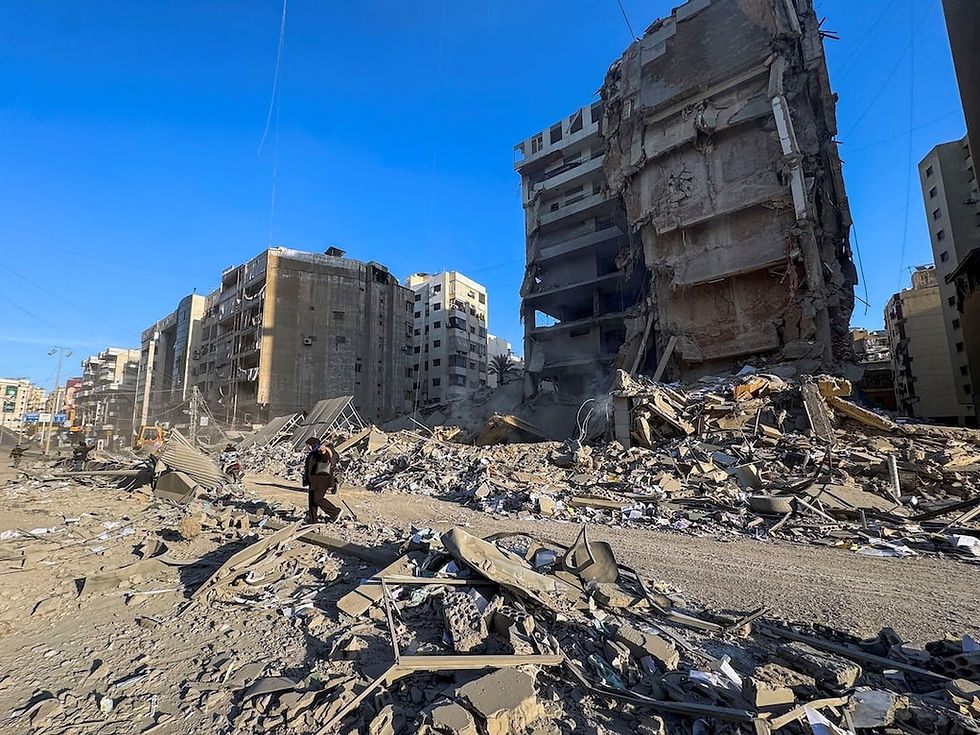
The human cost is significant. Since hostilities escalated in March, over 4,000 people have been killed, more than 11,700 injured, and over one million displaced — more than 20% of Lebanon's population. Around 40,000 homes have been destroyed, primarily in the south. Healthcare infrastructure has been severely degraded, with 196 attacks on health facilities recorded and 131 healthcare workers killed. Lebanon's humanitarian Flash Appeal is only 32.7% funded.
The Outlook
There is no credible near-term path to a stable ceasefire. Israel's coalition government faces domestic pressure to hold southern Lebanese territory as a long-term security buffer. Hezbollah refuses to disarm while Israeli troops remain on its soil. These positions are not compatible, and no current diplomatic process bridges them.
The realistic scenario for the coming weeks is continued low-intensity operations in the south, with the risk of renewed large-scale escalation if either side judges the other to be in breach of understood limits. Beirut, the Beqaa Valley, and southern Lebanon below the Zahrani River all remain exposure areas.
What Organisations Should Do
Conduct a new security risk assessment. Anything produced before April 2026 does not reflect current ground conditions. Bridge destruction, new displacement orders, collapsed healthcare referral pathways, and shifting no-go areas have materially changed the operating environment.
Stress-test your contingency plans. Verify that evacuation routes are still viable and that your hibernation and communication protocols account for the types of attacks now prevalent — including drone strikes on vehicles and multi-strike packages without prior warning.
Review team deployment schedules. Overnight presence and daily field deployments in the south should be assessed against current access conditions. Thresholds for suspending operations should be agreed before the next escalation, not during it.
Define critical thresholds in advance. Establish clear, agreed criteria for programme suspension, staff evacuation, and handover to local partners. These decisions are far easier to execute when made before a crisis than under pressure in the middle of one.
Based on open-source reporting current as of 24 June 2026. Does not constitute operational or legal advice. For tailored security assessment or planning support in Lebanon, contact Mitigate Risk directly.


https://hi88o.com/ hôm trước thấy bạn bè nhắc nhiều quá nên mình cũng bấm vào coi thử cho biết. Mình không có tìm hiểu sâu hay chơi gì đâu, chỉ lướt qua xem họ làm web kiểu gì thôi. Ấn tượng đầu là nhìn khá sáng sủa, bố cục thoáng nên đọc không bị rối mắt. Mấy phần nội dung được chia thành từng khối rõ ràng, nhìn một cái là biết chỗ nào là thông tin chính chứ không bị dồn chữ lung tung. Mình cũng thích cái thanh menu đặt dễ thấy, chuyển qua lại vài trang không phải mò lâu. Nói chung lướt tầm vài phút là quen tay vì các khối nội dung trên trang được căn…
rr88 nhìn trên trang chủ là thấy họ làm bố cục khá gọn, kiểu các khối nội dung chia ra rõ ràng nên mình lướt một mạch vẫn nắm được đang nói đoạn nào; mình vốn hay khó chịu với trang nào nhét chữ dày đặc mà chỗ này đỡ hơn, kéo xuống cũng không bị đứt mạch, nhìn vẫn “ngay hàng thẳng lối” nên dễ theo dõi; có đoạn họ nhắc nền tảng vào thị trường từ 2018 và đặt trụ sở ở Philippines, mình đọc qua thấy ghi cụ thể vậy nên cảm giác thông tin có căn cứ hơn là kiểu nói chung chung; menu với mấy tiêu đề của các box trên trang chủ đặt khá…
dự đoán miền bắc hồi tối lướt điện thoại lúc nghỉ tay, thấy họ ghi rõ ngày 3 9 2026 nên mình vào xem luôn; kiểu trình bày khá thẳng, đọc vài dòng là hiểu họ đang dựa trên thống kê kết quả quay trước để gợi ý cặp số cho trong ngày, mình không bàn chuyện chuẩn hay không, chỉ thấy nội dung đi đúng trọng tâm. Mình thích nhất là họ đặt tiêu đề theo ngày tháng to rõ nên khỏi phải đoán đang xem bài của ngày nào; kéo xuống là gặp ngay phần “soi cầu MB ngày 3 9 2026” và “Dự Đoán XSMB 3 9 2026” nằm nổi bật theo từng khối nội dung.
Mình chơi xổ số kiểu cho vui là chính, coi như một trò giải trí sau giờ làm nên cũng không đặt nặng chuyện phải trúng lớn. Trước đây nghe người ta bàn tán về “cầu” nọ “cầu” kia, mình cũng thử để ý xem có gì hay ho không. Theo dõi một thời gian thì thấy đôi lúc có vài dạng lặp lại nhìn khá quen mắt, nhưng mình chỉ xem như gợi ý tham khảo chứ không coi là chắc chắn. Thỉnh thoảng mình đọc mấy bài nhận định rồi ghi lại vài ý ngắn, sau đó đối chiếu lại để tự kiểm tra xem mình có bị cảm tính không. Có bữa trúng chút thì vui, bữa…
Mình hay đọc mấy bài soi kèo để có thêm dữ liệu trước khi quyết, chứ không bao giờ tin 100% vì vẫn có phần may rủi. Hồi trước mình tự ghi chép lại các nhịp lặp, nhìn riết cũng đoán được chút xu hướng, nhưng đôi khi bị cảm xúc chi phối nên dễ sai lệch. Dạo gần đây mình thích xem thêm nhiều góc nhìn, nhất là kiểu giải thích tại sao cầu đang chạy lại gãy hoặc đổi nhịp, nghe hợp lý hơn hẳn. Có lần mình thử áp dụng theo Soi cầu wap để sàng bớt mấy dấu hiệu loạn, rồi tự đặt giới hạn cho mình nên đỡ bị cuốn. Mình coi đây như cách…